
If you cook on an electric stove, keeping crumbs, spills, and debris out of the gap between the stove and counter is a common concern. The top picks below are designed to fill that space, reduce cleanup time, and fit a range of gap widths. They’re best for homeowners who want a quick, low-maintenance solution that works with different countertop materials and stove designs. The selection includes silicone and stainless steel options, adjustable lengths, and easy-to-clean designs.
| Product | Material | Best For | Notable Feature |
|---|---|---|---|
| Linda’s Essentials Silicone Stove Gap Covers (2 Pack) — 21″ | Silicone | Standard gaps up to 2.3″ | Heat resistant and easy to clean |
| Stainless Steel Stove Gap Covers (2 Pack) — 13.8″ to 27.5″ | Stainless Steel | Uneven surfaces, larger gaps | Telescoping, durable |
| Linda’s Essentials Silicone Stove Gap Covers (2 Pack) — 25″ | Silicone | Medium to large gaps | Cut-to-size flexibility |
| Stainless Steel Stove Gap Covers — 13.8″ to 27.5″ | Stainless Steel | Smaller to large gaps | Adjustable length |
| 2 Pack Flexible Silicone Gap Covers — 21″ | Silicone | General use, easy cut-to-fit | Heat resistant, easy to wipe |
How to choose: measure your gap width and length, consider whether you prefer silicone for a soft seal or stainless steel for rigidity, and decide if you want an adjustable length to cover varying stove configurations. The selections below cover a range of common gaps and mounting styles, helping you pick the best option for your kitchen.
Linda’s Essentials Silicone Gap Covers — 21 Inches
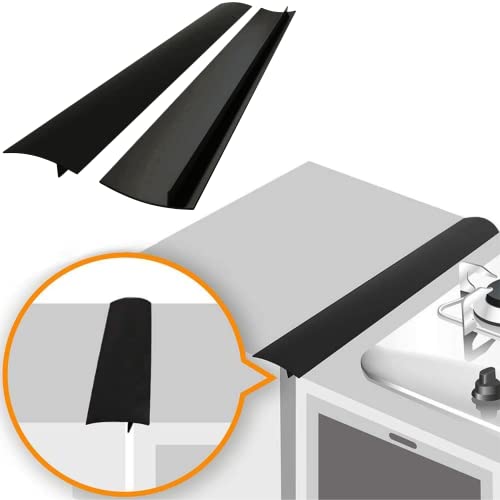
Best for standard stove gaps up to 2.3 inches wide. This 21″ silicone gap cover acts as a seamless barrier to keep crumbs and spills from falling into the hard-to-clean gap between the stove and counter. It’s heat resistant and easy to wipe clean, making it ideal for everyday cooking areas with consistent gaps. The silicone is food-grade and durable, reducing the risk of warping over time.
Who it’s best for: households seeking an affordable, low-profile silicone option that conforms smoothly to flat and slightly uneven surfaces. Why selected: widely compatible with common 21″ gaps and easy maintenance.
Caution: Verify the exact gap width before purchase; this model fits gaps up to 2.3″ in width and may require a longer size for larger spaces.
ALMCALS Stainless Steel Gap Covers — 13.8″ to 27.5″

Best for uneven surfaces and larger gaps. This stainless steel set features an adjustable telescoping design that extends from 13.8″ to 27.5″ and fits gaps from 0.79″ wide. It resists heat, deformation, and rust, offering a durable, long-lasting solution. This option is especially useful where gaps vary in length or where a metal edge feels sturdier against everyday kitchen wear.
Who it’s best for: kitchens with variable gap sizes or uneven countertops where a rigid metal fill is preferred. Why selected: robust construction and easy adjustability outperform basic silicone in uneven layouts.
Caution: Not suitable for gaps beneath 1 mm or 18 mm; ensure measurements align with the product’s supported range.
Linda’s Essentials Silicone Gap Covers — 25 Inches

Best for standard to mid-sized gaps where extra length helps create a clean, built-in look. The 25″ silicone pad is designed to easily conform to stove and counter contours and can be cut to size if needed. It provides a flexible, heat-resistant barrier that resists warping over time and remains simple to maintain with routine cleaning.
Who it’s best for: users who want a universal, easy-to-trim silicone cover for non-standard gaps. Why selected: cut-to-fit capability increases compatibility across kitchen layouts.
Caution: Cutting should be precise to maintain a secure seal; improper trimming can create gaps at edges.
Linda’s Essentials Stainless Steel Gap Covers — 13.8″ to 27.5″

Best for a premium, extendable stainless steel option. These covers extend from 13.8″ to 27.5″ and suit gaps between 2 mm and 17 mm. Made from high-quality 304 stainless steel, they resist heat and corrosion, providing a durable, built-in look that’s easy to wipe down. They’re a strong choice for kitchens needing a robust metal solution that blends with modern appliances.
Who it’s best for: cooks wanting a durable stainless-steel integration that lasts. Why selected: metal construction offers long-term resilience in high-use kitchens.
Caution: They require a compatible gap depth and may be less forgiving on highly uneven surfaces compared to silicone options.
COZZIVITA 50PC Round Burner Covers for Electric Stoves

Best for disposable protection and quick cleanup on electric stoves. This pack includes a large volume of aluminum burner covers designed to catch spills and crumbs, reducing maintenance time. They’re simple to replace and suitable for typical electric coil stoves, offering a convenient barrier against messes during cooking and cleanup.
Who it’s best for: households seeking a disposable, no-fuss layer to protect burner surfaces. Why selected: high-value bundles and straightforward use with minimal setup.
Caution: Not a long-term seal solution; need to replace after use to maintain cleanliness and prevent buildup.
Anevna Glass Top Stove Cover XXL — 28″ x 20″

Best for a large, dual-purpose surface that protects electric glass cooktops and doubles as a drying mat. This XXL silicone mat provides a heat-resistant, non-slip barrier and an elevated surface for air circulation. The raised ridges improve ventilation while the waterproof bottom helps keep countertops dry, making it suitable as a prep area or drying mat in addition to a protective cover.
Who it’s best for: kitchens needing a multi-use, large-capacity cover that doubles as a prep or drying surface. Why selected: combines protection with practical room to prep on a protected surface.
Caution: Do not place on a cooktop that’s currently hot; follow heat-resistance guidelines to avoid damage or burns.
Buying Guide
What material works best?
Silicone is flexible, easy to cut, and wipes clean. Stainless steel offers a rigid, durable barrier that resists heat and corrosion. Choose silicone for a soft seal and easy customization; choose steel for a more rigid, long-lasting solution on variable gaps.
How to measure gaps accurately?
Measure the gap width (in inches or millimeters) and the available length along the countertop edge. For adjustable models, confirm the minimum and maximum supported lengths and ensure a compatible gap depth. Record both numbers to match product ranges.
Are adjustable lengths worth it?
Yes for kitchens with non-standard counter configurations. Adjustable or telescoping designs reduce the need to buy multiple sizes and help achieve a snug fit across varying gaps.
Should you choose disposable covers?
Disposable burner covers or foil liners are convenient for occasional use or short-term protection. They offer quick cleanup but aren’t a substitute for a durable, long-term gap filler when you want a built-in look and ongoing spill protection.
Maintenance considerations
Silicone and stainless steel differ in cleaning needs. Silicone cleans easily with soap and water and resists staining. Stainless steel cleans with damp cloths and approved cleaners; it resists rust but may show fingerprints. Consider your cleaning routine when selecting material.
Safety and compatibility tips
Ensure you do not obstruct stove vents or heating elements. Some products advise avoiding uneven surfaces; verify that the chosen gap filler works with your stove and counter materials. Always follow installation manuals when available.
FAQ
- What gap size is best for silicone stove gap covers? Most silicone covers are designed for gaps up to about 2.3 inches wide; always check the exact width before purchasing.
- Can I cut stove gap covers to fit my space? Yes. Many silicone covers can be trimmed with scissors to fit shorter gaps, improving fit on non-standard layouts.
- Are stainless steel gap covers heat resistant? Yes. Stainless steel models are designed to resist heat and maintain shape without warping in typical kitchen conditions.
- Do these covers protect against spills from all sides? They primarily seal the gap along the edge between stove and counter, reducing debris falling into the seam; spills still require common cleaning practices around the surface.
- Is a larger or adjustable cover better for an uneven counter? Adjustable options provide a better fit for uneven surfaces by conforming to the edge and varying gaps more reliably.
- Do these products affect stove operation? When installed correctly, gap covers should not interfere with burner function or heat dispersion; follow manufacturer guidelines to avoid contact with hot surfaces.