
Answering the question of how to shield your home from heavy rain, these rain guards and diverters protect roofs, valleys, and entry points. The top picks below are best suited for homeowners seeking durable, weatherproof protection, simple installation, and long-term value. Use this list to compare options for shingles, gutters, doors, and vents, and choose based on your roof type and climate.
| Product | Best For | Key Benefit |
|---|---|---|
| 3 pcs Rain Diverter for Roof | Shingle roofs with valleys | Heavy rainfall diversion with rust-resistant finish |
| Window Visors Shield for Ford Transit | Commercial vans and cargo windows | Keeps rain out while allowing airflow |
| Evecad 4FT Roof Rain Diverter | Gutter protection on larger roofs | Pre-drilled holes for easy fixing |
| Voron Glass Tape-on Rain Guards | Ford Transit windows | Durable polycarbonate deflectors for wide coverage |
| 2 Pcs Gutter Valley Splash Guards | Gutter protection near valleys | Aluminum construction with corrosion resistance |
3 Pcs Rain Diverter for Roof

Best for: Homes with asphalt shingle roofs and exposed eaves needing reliable runoff control. The 39-inch diverter uses a scientific diversion angle and an upturned flange to capture high-velocity water and redirect it away from roof valleys, chimneys, and entrances. This makes it a strong choice for preventing water intrusion at roof edges and improving exterior dryness.
Why selected: The combination of a heavy-duty galvanized steel core and a premium powder-coated finish promises rust resistance and durability across seasons. Its low-profile design integrates under shingles to preserve curb appeal while maximizing drainage redirection.
Limitations: Some installations may require precise alignment with existing shingles; ensure your eaves and valleys are compatible with a 39-inch length.
Window Visors Shield for Ford Transit
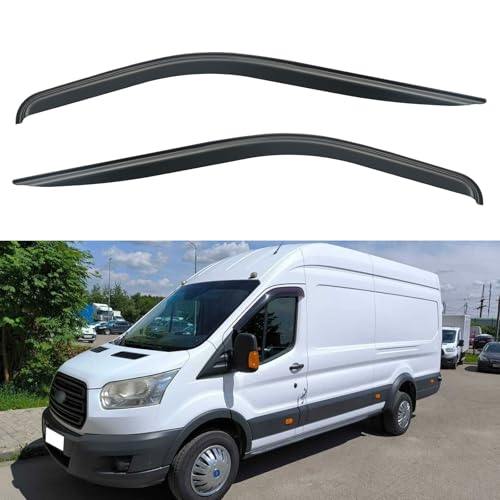
Best for: Transit commercial models requiring a balance of airflow and rain protection for cab windows. These visors allow window cracking for ventilation while keeping rain out, ideal for crew or cargo van setups in mixed climates.
Why selected: Made from durable anti-shatter material with UV and scratch resistance, plus tacky 3M-grade tape for secure adhesion. They offer a functional, semi-permanent solution without heavy modification to the vehicle.
Caution: Fitment is vehicle-specific; verify that your Transit model year and roof type match the listed compatibility to avoid gaps or imperfect seals.
Evecad 4FT Roof Rain Diverter

Best for: Larger or multi-section roof lines where a longer, seamless diverter helps protect against water entry along valleys and eaves. The 4-foot design covers more area per installation, reducing joints.
Why selected: Galvanized steel with rust and corrosion resistance, plus five pre-drilled holes and nails for straightforward mounting. It integrates under shingles to preserve aesthetics while directing runoff away from vulnerable zones.
Limitation: Requires precise placement under roofing material; ensure your roof layout accommodates a 4-foot length for optimal coverage.
Voron Glass Tape-on Rain Guards
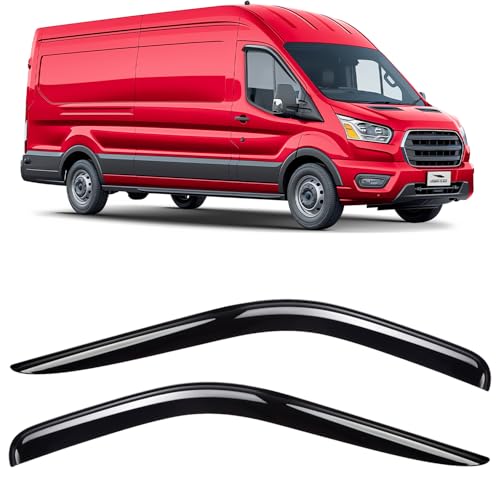
Best for: Ford Transit drivers seeking full-window rain protection with a clean, seamless look. These tape-on guards are designed to shield side windows during rain while allowing ventilation when windows are cracked.
Why selected: Extra-durable polycarbonate construction provides resistance to heat and weathering. A two-piece set ensures complete side coverage for both driver and passenger windows, delivering uniform protection.
Caution: Custom fit is specified for certain Transit models; confirm compatibility with your vehicle year and roof configuration prior to purchase.
2 Pcs Gutter Valley Splash Guards

Best for: Home gutters with valley sections where splashback is common, helping to control water flow and protect landscaping. Aluminum construction adds corrosion resistance for outdoor use.
Why selected: Lightweight, sturdy, and easy to install in rows along gutter lines. The design blocks heavy rain from splashing back toward the foundation and windows, reducing soil erosion and splash marks.
Limitation: Aluminum guards may require repainting or re-sealing over time depending on climate and exposure to salt spray or coastal air.
Buying Guide
What should you consider when choosing a rain guard or diverter?
- Roof type and material: Shingle roofs commonly benefit from low-profile diverters that tuck under shingles, while metal or tile roofs may require different mounting approaches.
- Coverage area: Longer diverters cover more span but require precise installation to avoid misalignment with eaves or vents.
- Material durability: Galvanized steel, aluminum, and polycarbonate offer different levels of rust resistance, weight, and weather tolerance. Choose based on climate and exposure.
- Installation method: Pre-drilled holes and included nails simplify mounting; check for compatibility with existing roof structures and flashing.
- Vent and feature compatibility: Some products are vehicle-specific (like window visors for Transit or Ford models). Confirm fit before purchasing.
- Appearance and curb appeal: Low-profile designs minimize visible hardware and preserve exterior aesthetics, especially for visible roof edges and entrances.
FAQ
- What is the primary purpose of a rain diverter on a roof?
It channels water away from vulnerable roof areas, valleys, and openings to prevent leaks and splash damage. - Can these devices be used on any roof style?
Most are designed for common shingles and standard gutter configurations, but always verify compatibility with your roof type and measurements. - Are metal rain guards prone to rust?
Galvanized steel and aluminum provide rust resistance, but exposure to harsh environments can affect longevity; choose powder-coated finishes or corrosion-resistant materials for longevity. - Do window visors keep rain out completely?
They reduce rain intrusion while allowing airflow when windows are cracked, but they do not seal like a window gasket. - Is professional installation necessary?
Many products are designed for DIY installation with pre-drilled holes or adhesive tapes. Complex roof configurations may benefit from professional mounting. - Can multiple rain diverters be overlapped?
Yes, overlapping or connecting multiple diverters can extend the diversion area for larger roof sections.