
When choosing insulation rolls for ceiling applications, the right product improves energy efficiency, reduces temperature fluctuations, and eases installation. This guide highlights five reputable options that perform well in typical American homes and garages. Each choice is best for specific situations, from radiant barrier needs to multi-layer insulation. Read on to find which roll matches your space and climate, plus practical buying tips and a concise FAQ.
| Product | Best For | Key Benefit |
|---|---|---|
| USA Reflective Insulation Bubble Roll | Colder climates, garage ceilings | 3/16 inch bubble layer with foil outer shell for temperature stabilization |
| Reflectix BP24025 Bubble Pack | Crawl spaces, attics, walls | Seven-layer construction with dual aluminum foils for superior heat reflection |
| SmartSHIELD -5mm R17 Roll | Vapor control plus radiant barrier | High reflectivity, meets ASTM standards, moisture resistance |
| VEVOR Double Reflective Roll | Windows, roofs, general insulation | Double-sided foil with bubble core for versatile application |
| VEVOR Reflective Roll 6mm | All-season thermal control | 3-in-1 design: radiant barrier, insulation, vapor control |
USA Reflective Insulation Bubble Roll for Ceilings
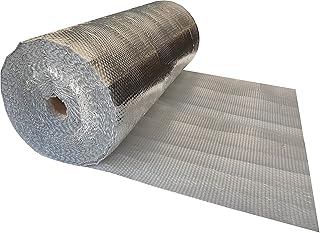
This one-sided thermal bubble roll delivers temperature stabilization by combining a bubble core with a foil exterior. It’s suitable for garage ceilings, greenhouses, and general insulation tasks. Best for colder environments where maintaining indoor temperatures reduces heating and cooling loads. The 3/16 inch bubble layer cushions and insulates while the foil outer layer helps reflect radiant heat. A potential limitation is that installation may require an air-tight seal for optimal performance in very humid spaces.
Reflectix BP24025 Bubble Pack Insulation

Reflectix’s multi-layer option is designed for crawl spaces, attics, walls, and metal buildings. It’s fiber-free and lightweight with seven layers, including two outer aluminum foils that reflect most heat. Best for projects needing a robust radiant barrier and a relatively straightforward installation. Consider this if you’re insulating an area with exposure to humidity, as it provides strong condensation resistance. It may be overkill for small ceiling touch-ups in mild climates.
SmartSHIELD -5mm R17 Reflective Roll

This roll emphasizes radiant barrier performance with 95% radiant energy reflection and a R17 insulation rating. It also functions as a vapor barrier to limit condensation in humid environments. Best for spaces needing strong heat reflectivity and moisture control. A caveat is that higher reflectivity may require precise installation to maintain performance, particularly around seams and overlaps.
VEVOR Double Reflective Roll
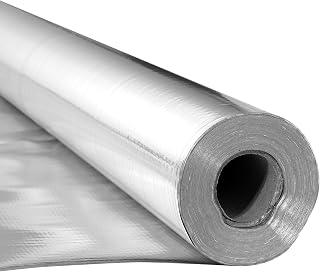
VEVOR’s double-layer reflective roll offers non-perforated woven fabric and a double-sided aluminum foil core. It’s suitable for windows, roofs, and general ceiling insulation. Best for projects where a robust, double-sided barrier helps manage heat more effectively. A limitation is that its installation can be more intricate due to its multi-layer structure; ensure you seal edges adequately for best results.
VEVOR Reflective Roll 6mm

With a 6 mm thickness, this roll blends radiant barrier, insulation, and vapor control. It reflects over 95% of heat and blocks heat transfer effectively in both summer and winter. Best for comprehensive ceiling applications requiring a single, all-in-one solution. Its heavier build may require more careful handling and support during installation.
Buying Guide: How To Choose The Right Insulation Roll For Ceiling
- Climate and space: For cold climates or unconditioned attics, prioritize high reflectivity and a solid vapor barrier. For damp spaces, consider moisture resistance features.
- Barrier type: Decide between single-sided foil (simpler) and double-sided, multi-layer designs (higher performance but more complex installation).
- Ease of installation: Look for rolls that are lightweight, easy to cut, and come with clear overlap guidance. Edges should seal well to prevent air leaks.
- Durability and handling: Thicker rolls or those with reinforced layers resist tears during installation, particularly on ceilings with joists or irregular surfaces.
- Maintenance and safety: Ensure materials meet local building codes and avoid products with hazardous materials in spaces occupied by people or pets.
Frequently Asked Questions
- What is the primary benefit of radiant barrier insulation on ceilings?
Answer: It reflects radiant heat away from living spaces, helping maintain comfortable temperatures and reducing cooling costs in hot seasons. - Do I need a vapor barrier for ceiling insulation?
Answer: Vapor barriers help control condensation in humid environments and can be necessary to prevent moisture-related issues in ceilings or attics. - Can I install insulation rolls over existing ceiling materials?
Answer: Yes, many rolls are designed for retrofits, but ensure there is a clean surface and proper overlaps for an effective seal. - Which roll is best for moisture-prone spaces?
Answer: Look for rolls described as vapor barriers or moisture resistant, such as those with a dedicated vapor control layer. - Is thicker insulation always better for ceilings?
Answer: Not always; it depends on the climate, space constraints, and the specific insulation performance (R-value and barrier features) of the product. - How important is proper sealing around edges?
Answer: Very important. Gaps reduce performance by allowing heat transfer, so ensure seams are well sealed and taped as recommended by the manufacturer.