
Looking for an expansion tank to prevent pressure buildup in your water heater? This guide highlights five reliable options and explains which type is best for different home setups. Ideal for homeowners installing a new system, property managers maintaining multiple units, and DIY enthusiasts seeking straightforward installation. Below is a quick summary of the top picks followed by detailed product sections, a buying guide, and a short FAQ.
| Product | Best For | Key Benefit |
|---|---|---|
| 1PC EFIELD | Budget-minded kitchens and small apartments | Compact option with standard 3/4″ MNPT |
| GE Appliances | General residential installs | Pre-charged for consistent performance |
| 2.1Gallon Thermal Expansion Tank | Open or closed loop systems | Potable water safe with strong diaphragm |
| EASYFLEX 4.5 Gal | Premium builds and long-term use | 304 stainless steel and heavy-duty diaphragm |
| TTFLEX 4.5 Gal | DIY-friendly setups | Corrosion-resistant finish and easy install |
1PC EFIELD Water Heater Expansion Tank (2.1 Gallon)
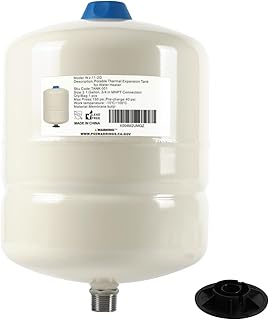
The 1PC EFIELD expansion tank provides a compact, budget-friendly solution for basic residential needs. Best for small apartments or second bathrooms where space is tight and a simple 2.1-gallon unit is sufficient. It supplies thermal pressure protection with a 3/4 in MNPT connection, helping to safeguard plumbing in homes with modest water demands.
Best for: Budget-conscious buyers seeking straightforward installation and reliable performance without extra features. Caution: Limited capacity may require closer monitoring in high-use households.
GE Appliances Water Heater Expansion Tank

Brand: GE Store
Features include reducing pressure buildup, protecting plumbing and water heater components, and a factory pre-charge of 40 PSI for reliable operation up to 80 PSI. This makes it a solid all-around choice for standard residential installations where consistent performance is valued.
Best for: General residential installs needing a pre-charged, dependable expansion tank. Caution: May be overkill for very small or low-demand systems.
2.1Gallon Thermal Expansion Tank

This 2.1-gallon tank is designed to absorb excess pressure in closed-loop systems and prevent leaks from the T&P valve. It uses a high-grade butyl diaphragm and a seamless TPV liner, ensuring compatibility with potable water and compliance with EPA and Prop 65 standards.
Best for: Homes needing a robust, potable-water-safe solution with straightforward DIY-friendly installation. Caution: Pre-charge is 40 PSI; check compatibility with your system’s pressure profile.
EASYFLEX 4.5 Gallon Expansion Tank

Easyflex offers a premium build with a 304 stainless steel body and a reinforced diaphragm. It includes a 3/4″ stainless steel MIP connection and a 100% butyl diaphragm with a polypropylene liner, designed for durable, long-term performance. Optional wall mounting brackets are available for secure installation.
Best for: Professionals and DIYers seeking long-term reliability and a heavy-duty tank. Caution: Stainless steel adds cost and may be heavier to install.
TT FLEX 4.5 Gallon Expansion Tank

TT FLEX presents a corrosion-resistant finish and a 100% butyl diaphragm with a plastic liner to separate system water from the air precharge. Its compact size supports easier installations in tight spaces and aims at straightforward DIY use.
Best for: DIYers and compact installations needing a simple, reliable solution. Caution: The finish is paint-applied; in some environments this may require periodic touch-ups to prevent wear.
Buying Guide: Key Considerations For Choosing The Right Expansion Tank
- System Type: Closed-loop vs open-loop. Closed systems typically require a pre-charged tank and proper diaphragm materials to handle thermal expansion.
- Tank Capacity: Match tank size to water heater capacity and daily usage. Larger homes or high hot-water demand may benefit from 4.5-gallon models.
- Connection Size: Most units use a standard 3/4″ MNPT connection. Verify compatibility with your heater’s inlet and available space.
- Diaphragm Material: Butyl diaphragms are common; ensure the liner is compatible with potable water if you plan to store drinking water or use in areas with strict standards.
- Material and Finish: Stainless steel offers durability but adds weight and cost; painted finishes provide basic corrosion resistance in mild environments.
- Pre-Charge Pressure: Many tanks ship pre-charged to around 40 PSI. Confirm the home’s supply pressure and adjust if necessary to avoid stressing the tank or system.
- Installation Considerations: Wall-mount options and hardware quality can affect long-term stability and access for maintenance.
Frequently Asked Questions
- What is an expansion tank and why do I need one?
It absorbs excess pressure caused by thermal expansion when water is heated, protecting the plumbing and reducing stress on the T&P valve. - Do I need a pre-charged tank?
Yes, pre-charge helps the tank respond correctly to pressure changes and maintain system balance. - What size expansion tank should I buy?
It depends on heater size, water usage, and system pressure. Higher demand typically requires a larger or additional tank. - Can I install an expansion tank myself?
Many models are DIY-friendly with standard 3/4″ MNPT connections, but consult local codes and consider professional help for complex setups. - Is a stainless steel tank worth the extra cost?
For long-term durability and heavy-use environments, stainless steel can be advantageous; for simple residential use, a budget model may suffice. - Are these tanks safe for potable water?
Most products list potable-water-safe diaphragms or liners; verify compliance with EPA and Prop 65 standards if applicable in your area.