
Answering commonly searched questions about bubble wrap insulation for ductwork, this guide highlights simple, affordable options to improve energy efficiency. These products are best for homeowners, builders, and DIY enthusiasts looking for quick, film-backed insulation solutions that can wrap, shield, or seal duct runs and related hot or cold-air passages. The top selections emphasize high reflectivity, moisture resistance, and easy installation. A quick product comparison table follows to help you decide at a glance.
| Product | Best For | Key Benefit |
|---|---|---|
| UBmove 48″ x 125′ | Garage, greenhouse, or building insulation | Durable 3/16″ bubble layer with foil outer layer |
| DEMEDO 4″ x 16.5 ft | Hose or duct wrap | Self-adhesive, easy one-person install |
| US Energy Products 48″ x 100′ | Attics, garages, metal buildings | High reflectivity and durable double bubble design |
| EcoFoil 48″ x 75′ | Radiant barrier projects | Lightweight, easy to cut, 96% radiant heat reflection |
| Reflectix BP24025 24″ x 25′ | General reflective insulation needs | Multi-layer aluminum foil/bubble construction |
UBmove USA Reflective Insulation Bubble Roll

Best for: garage ceilings, greenhouses, and building insulation where a large, pliable barrier is needed. This 3/16 inch bubble layer with a foil outer layer cushions items and stabilizes temperature. The product is marketed as a versatile insulation and climate-control barrier suitable for various applications, including winter and summer use. Choose this if you want a DIY roll that can cover wide areas quickly and provide a durable, insulated barrier for stored items or spaces that experience temperature swings. Caution: handle edges carefully to avoid tearing the foil surface during installation.
DEMEDO Double Bubble Foil Insulation Tape (4 Inch)

Best for: quick, one-person duct or hose wrapping. This product is a self-adhesive bubble wrap insulation tape that eliminates the need for extra glue or tape. It has a thick double-bubble design that helps minimize heat loss in ducts and pipes. It is best used when you need to securely seal around AC hoses or HVAC ducts with minimal tools. Limitation: width options are limited to 4, 5, or 6 inches—match to your duct size for full coverage.
US Energy Products 48″ x 100′ White Double Bubble

Best for: garages, attics, warehouses, and metal buildings where a robust thermal barrier is needed. The product claims high radiant heat reflection (up to 97%), which helps reduce cooling and heating demands. It features a premium double-layer bubble design for enhanced cushioning and durability. A potential limitation is that it may require careful alignment and cutting to fit irregular duct paths.
EcoFoil Double Bubble Insulation Roll 48″ x 75′
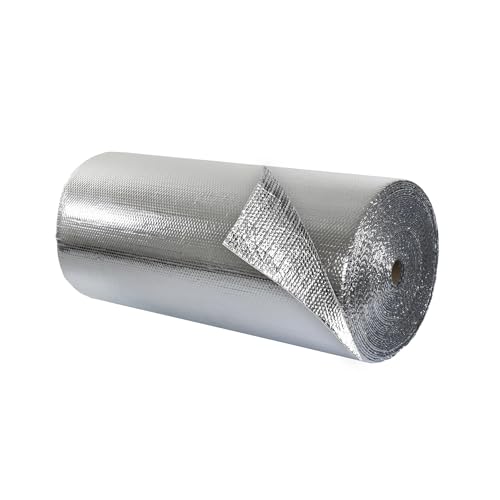
Best for: radiant barrier projects and climates requiring efficient heat blocking. The roll features a 1/4 inch thickness and a 96% radiant heat reflection with a class 1/Class A fire rating. It’s easy to handle and cut, making it suitable for DIY insulation around ducts and vents. Caution: some users may prefer a thinner variant for tight spaces; ensure adequate width for full coverage of the duct surface.
Reflectix BP24025 Bubble Pack Insulation

Best for: crawl spaces, attics, and metal buildings where multi-layer reflective insulation is advantageous. This product uses seven layers including two aluminum foil faces to reflect heat. It is lightweight and easy to install. A limitation is that it may be bulkier to handle in tight duct spaces; plan for adequate space and cutting when applying to small-diameter ducts.
Buying Guide
What to consider when selecting bubble wrap insulation for ductwork:
- Thermal performance: Look for dual-layer or triple-layer bubble designs and foil faces for improved heat reflection and barrier properties.
- Adhesion and installation: Self-adhesive options simplify one-person applications; ensure the surface is clean and dry before applying.
- Size and fit: Measure duct dimensions to choose the right width and length. Narrow ducts may benefit from narrower tapes or rolls.
- Durability and environment: For garages or workshops, choose products with moisture resistance and tear strength.
- Fire safety: Check for Class A/1 fire ratings where required by building codes.
Practical buying questions:
- Which insulation is best for seasonal temperature swings in small duct runs? Choose double or triple bubble designs with foil for higher reflectivity.
- Do I need adhesive-backed insulation? If you’re working solo, self-adhesive variants speed up installation.
- Can I use ordinary bubble wrap for ducts? Regular packaging bubble wrap lacks insulation quality and vapor barriers found in specialized products.
- Is foil-faced insulation suitable for outdoor ducts? Foil-faced options generally offer good radiant protection but ensure weatherproofing for exposed installations.
FAQ
- What is bubble wrap insulation used for in ductwork? It provides a radiant barrier and thermal insulation to reduce heat gain or loss in ducts and related spaces.
- Is self-adhesive insulation reliable for ducts? Yes, when the surface is clean and dry, self-adhesive layers can hold well and simplify installation.
- How thick should insulation be for duct wraps? Thicker bubble layers (e.g., 3/16 inch or thicker) tend to offer better cushioning and thermal resistance.
- Can I install bubble wrap insulation in tight spaces? Choose narrower widths and flexible rolls designed for small ducts, and cut carefully to fit.
- Is reflective insulation better than traditional foam? Reflective foil insulation excels at reflecting radiant heat, especially in spaces with high summer sun exposure.
- What safety considerations are there? Ensure proper handling to avoid tearing foil surfaces and follow manufacturer installation guidelines.