
Direct answer: For durable stucco repairs and adhesion, choose a bonding agent proven to work with Portland cement and plaster blends, resist freeze-thaw cycles, and mix well with your base material. The top five products below are well-suited for different project needs, from large exterior repairs to small patch jobs. Best for professionals and DIYers seeking reliable concrete adhesion, surface prep compatibility, and straightforward application. The table below summarizes key picks and who they’re best for.
| Product | Best For | Why It Stands Out |
|---|---|---|
| SikaLatex R Concrete Adhesive Glue | General concrete and mortar repairs | White admix for Portland-cement mortar; resistant to freezing and thawing. |
| Gallon Weld Crete Concrete Bonding Agent | Large concrete bonding projects | Trusted bonding for existing substrates and new pours. |
| Larsen Plaster-Weld Bonding Agent Quart | Plaster-to-plaster and plaster-to-concrete repairs | Specifically branded for plaster welding bonds. |
| Larsen Plaster Weld Plaster Bonding Agent Gallon | Bulk plaster repairs | High-volume option with plaster-specific bonding capability. |
| DAP Concrete Bonding Additive White 32 Oz | General purpose concrete adhesion | White concrete bonding additive for mixing with cement-based patches. |
SikaLatex R Concrete Adhesive Glue

Best for: Repairs that require a white adhesive compatible with Portland-cement mortar and concrete. The SikaLatex R acts as an admix to increase bonding strength while improving freeze-thaw durability. This makes it suitable for exterior stucco patches and resurfacing where moisture cycles are a concern.
Why selected: The product explicitly mentions resistance to freezing and thawing damage, which helps maintain bond integrity in climates with winter conditions. It is a versatile option for both patching and mixing with cement-based mortars.
Limitations: Data does not specify exact mix ratios; follow manufacturer guidance for dosing with Portland cement. Suitable for small to moderate repairs; for large exterior jobs, consider larger-volume bonding agents.
Gallon Weld Crete Concrete Bonding Agent

Best for: Large-scale concrete bonding projects where a dependable bond between old concrete and new pours is needed.
Why selected: The product name suggests robust bonding capabilities suitable for larger mixer batches and structural patches. It’s a practical option for exterior stucco over concrete foundations or large repair areas.
Limitations: Specific formulation details aren’t listed; verify compatibility with your concrete mix before use. Ideal for bulk jobs rather than tiny touch-ups.
Larsen Plaster-Weld Bonding Agent Quart

Best for: Smaller plaster-to-plaster or plaster-to-concrete bonding tasks where precision is important.
Why selected: The quart size is ideal for targeted plaster repairs in stucco projects. It emphasizes plaster bonding, making it a strong match when patching plaster-based stucco surfaces.
Limitations: Quart size may require multiple purchases for larger repairs. Confirm the plaster-to-concrete compatibility if the wall has cement-based patches in the repair area.
Larsen Plaster Weld Plaster Bonding Agent Gallon

Best for: Bulk plaster bonding where large plaster repairs or continuous plaster surfaces are involved.
Why selected: A gallon size provides a cost-effective option for extensive plaster repair projects and stucco applications that require a plaster-specific bonding agent.
Limitations: May require precise surface preparation to maximize bond strength. Ensure compatibility with existing plaster and base concrete if used in mixed surfaces.
DAP Concrete Bonding Additive White 32 Oz
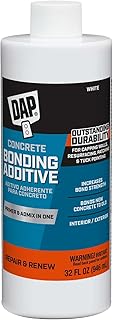
Best for: General purpose concrete adhesion for patches, overlays, and cement-based repairs.
Why selected: The additive format allows mixing with cement to improve bonding properties, especially in projects that require a consistent grout or patch blend. Useful when you want a straightforward additive approach rather than a pre-mixed adhesive.
Limitations: White additive may affect color if used in large patches; test color match on a small area before full application.
Buying Guide
What should I consider when choosing a bonding agent for stucco?
Surface compatibility matters. Ensure the product works with plaster, Portland cement, or stucco blends used on your project. Consider the climate and how freeze-thaw cycles could affect the bond. If patching large areas, opt for a gallon or bulk size for cost efficiency and consistency.
What bond strength and setting time are typical?
Bond strength varies by product formulation. Look for guidance on bond durability, especially for exterior stucco where moisture exposure is common. Drying and cure times influence when you can apply subsequent layers or finish coats.
How do I prepare the surface for bonding?
Surface prep is critical. Clean loose material, remove dust, and wet the surface if the product recommends it. Some bonds perform better with damp surfaces, others require dry application. Follow manufacturer instructions for best results.
Should I mix with cement or apply as a surface admixture?
Some products are designed as admixtures that mix with cement to enhance bonding, while others are surface-applied bonding agents. Choose based on your project needs: patching, resurfacing, or structural bonding between old and new concrete.
Are there any application cautions?
Watch for compatibility with existing coatings or finishes. Some bonding agents can affect color or texture; test on a small area first. Avoid applying in extreme temperatures or when rain is imminent if the product has limited cure guidance.
What is the best option for stucco repair projects?
For patches and repairs, choose a bonding agent that explicitly supports plaster and stucco bonding, with good freeze-thaw resistance for exterior walls. For larger exterior repairs, a gallon-size option or a professional-grade resin-modified product may be more efficient.
Summary of key considerations
- Material compatibility: plaster, cement, or stucco bonding.
- Climate resilience: freeze-thaw resistance for outdoors.
- Project size: quart, gallon, or bulk options.
- Application method: additive versus surface-applied bonding agent.
- Color and finish impact: test patch for color matching.
Frequently Asked Questions
- What is a bonding agent for stucco used for?
It improves adhesion between old surfaces and new plaster or cement patches, enhancing durability in stucco repairs.
- Can I use any bonding agent with concrete and plaster?
Choose a product designed for plaster-to-concrete or plaster-to-plaster bonding and ensure compatibility with your base material.
- Is a gallon or quart better for stucco repair?
Gallon sizes are more economical for large repairs; quart sizes are suitable for small patches and precise work.
- Do bonding agents affect paint or finish after curing?
Some products may influence color or texture; perform a small test area before full application.
- Do I need a primer when using these agents?
Some projects may require a primer, while others can use the bonding agent alone. Check the product guidelines.
- Are these products suitable for exterior stucco?
Many are designed for exterior use and offer freeze-thaw resistance; verify with the product’s specs and climate needs.