Best Acrylic Polymer Paint for Bathtub Refinishing: Top 5 Picks
September 13, 2026
Answering the common buyer question: which acrylic polymer paints deliver durable, moisture-resistant finishes for tubs, tiles, and porcelain? This guide highlights five top options that balance glide-on ease, low odor, and lasting results. Best for DIY homeowners who want a porcelain-like finish; better for renovators aiming for minimal downtime; choose this if you need a water-resistant seal. The following products are selected for their relevance to acrylic polymer systems used in bathtub refinishing, with practical notes on application, coverage, and potential limitations.
Product
Best For
Approx. Coverage
Notes
Rust-Oleum Tub & Tile Refinishing 2-Part Kit, Gloss White
Homes needing a durable, porcelain-like finish
Up to 110 sq. ft.
Two-part epoxy acrylic formula; best with proper mixing and recoat timing
DWIL Tile Paint, Tub and Tile Refinishing Kit
Low-odor projects; spaces with children or pets
25-30 sq. ft
Water-based acrylic; low odor; easy cleanup
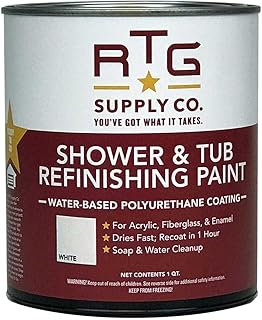
RTG Shower & Tub Refinishing Paint (White)
Fast DIY updates
Not specified
Fast-drying; ready to use after final coat in 48 hours
Rust-Oleum Tub & Tile White Spray Paint
Spray-on convenience for small areas
Up to 15 sq. ft per can
One-step epoxy acrylic; quick dry-to-touch time
Rust-Oleum Tub & Tile Refinishing 2-Part Kit, Gloss Coastal Fog
Porcelain-like finish in coastal tones
Up to 110 sq. ft.
Two-part epoxy acrylic; moisture resistance
Rust-Oleum Tub & Tile Refinishing 2-Part Kit, Gloss White
Best for: DIYers who want a durable, porcelain-like white finish with moisture protection. This kit uses a 2-part epoxy acrylic formula that resists corrosion and moisture, delivering a glossy, bathroom-ready surface. It is suitable for ceramic, porcelain, fiberglass, and similar substrates when you follow the mixing and curing guidelines.
Why selected: The dual-component system is designed to form a tough, long-lasting coating that resembles porcelain. It provides a reliable waterproof seal as part of its finish, making it a solid choice for bathtubs and shower stalls that see regular water exposure.
What to watch: Thoroughly mix parts A and B separately, then combine and mix for 2 minutes. Use within 6 hours of mixing. Coverage up to 110 sq. ft. Two coats recommended. Allow 1–2 hours between coats and 3 days before water exposure.
Best for: Homeowners seeking a low-odor, user-friendly acrylic option with easy cleanup. The water-based acrylic resin helps create a durable finish while minimizing fumes, making it suitable for bathrooms used by kids and pets or those sensitive to VOCs.
Why selected: It emphasizes a low-odor formula and straightforward cleanup, which reduces renovation disruption. The included tools simplify the project and support an even application, though coverage is more limited than larger kit options.
What to watch: Avoid relying on it for large bathroom surfaces if you need higher coverage per can. This kit suits smaller bathtub refinishes or tile upgrades where odor and cleanup are priorities.
Best for: DIYers and house flippers who want a quick, economical refresh that looks clean and contemporary. The product is designed for acrylic, fiberglass, and enamel surfaces in good condition.
Why selected: It offers a fast-drying finish and allows a recoat in as little as one hour, with a readiness-to-use window around 48 hours after the final coat. This makes it suitable for faster project timelines.
What to watch: Best on surfaces in good condition; heavily damaged or worn substrates may require surface preparation or primer. Ensure final cure before exposure to water to avoid early wear.
Best for: Quick, spray-on touch-ups on ceramic, porcelain, or fiberglass surfaces where coverage is limited to small areas or edges. Provides a moisture-resistant finish when used as directed.
Why selected: One-step epoxy acrylic formula dries to the touch quickly and can cover up to 15 sq ft per can, speeding up smaller refinishing tasks. The spray format is convenient for hard-to-reach areas.
What to watch: Spray applications require ventilation and careful masking to control overspray. Avoid using on large areas where even coating is difficult to maintain without runs or drips.
Best for: Those seeking a coastal-toned, glossy finish with practical application. This option adds color depth while maintaining a practical, moisture-resistant surface suitable for bathrooms.
Why selected: The gloss Coastal Fog variant provides a porcelain-like aesthetic with durable surface protection. It is well suited to spaces where a refined, bright look matters and where moisture exposure is common.
What to watch: Follow surface preparation and drying times strictly to ensure an even, durable finish. This option is part of a broader line, so verify that the pigment tone meets your bathroom design goals.
Buying Guide
Consider these practical purchase considerations to optimize bathtub refinishing with acrylic polymer paints:
Finish and color: Decide between glossy porcelain-look finishes and matte or satin options. Glossy finishes often appear smoother but may highlight surface imperfections more than matte films.
Two-part vs. single-part: Two-part epoxy acrylic formulas generally offer stronger moisture resistance and longer-lasting durability but require careful mixing and a defined working time. Single-part or water-based acrylics may be easier to apply but may need more frequent re-coats for high-moisture areas.
Coverage: Assess square footage and calculate the number of coats needed. Some kits cover up to 110 sq. ft., while others are designed for smaller surfaces. Plan for edge and corner areas as well.
Ventilation and odor: Low-odor formulations are preferable for homes with children or pets and in smaller bathrooms. Ensure proper ventilation during and after application.
Drying and cure times: Understand the recoat window and final cure period before water exposure. Rushing exposure can compromise durability.
Substrate compatibility: Confirm that the product supports ceramic, porcelain, fiberglass, enamel, and similar bathtub substrates. Surfaces in poor condition may require repairs or priming.
Safety and cleanup: Water-based formulas reduce solvent exposure and VOCs. Have appropriate protective gear and cleaners on hand for cleanup and drips.
Frequently Asked Questions
Q: How long does the bathtub refinishing coating take to be water-ready? A: Most kits require 48 hours after final coat before exposure to water, though full cure can extend to several days depending on the product.
Q: Can I use spray-on coatings for large tubs? A: Sprays are best for small areas or touch-ups; for large surfaces, two-part kits or roller-applied coatings typically yield more uniform coverage.
Q: Is ventilation essential when applying these products? A: Yes. Many formulations release odors and fumes; use proper ventilation and wear a mask as recommended by the product instructions.
Q: How many coats are typically needed? A: Most projects benefit from two coats for durability and a uniform finish, followed by a thorough cure period before water exposure.
Q: Are these paints safe for homes with children or pets? A: Low-odor, water-based options can be safer in households with sensitive occupants, but always follow product safety guidelines and ventilation recommendations.
Q: Can I switch between finishes, such as white to coastal gray? A: Yes, but proper surface preparation ensures adhesion and color consistency. Allow sufficient cure times between distinct color applications.