
Finding the right above-ground septic tank for a camper depends on travel style, space, and how often you camp off-grid. This guide highlights five relevant options, from portable tote tanks to compact holding tanks, each explained with who it’s best for and why it fits in a camper setup. Ideal buyers include full-time travelers needing mobility, weekend campers with limited space, and off-grid enthusiasts seeking simple maintenance.
Summary table of selected products:
- Camco Rhino 36-Gallon RV Tote Tank (39006) — Best overall portable tote tank for versatility and durability.
- H85 RV Holding Tank — Best for traditional holding tank needs with a compact profile.
- 264 Gallon Underground Septic Tank Kit — Best for permanent off-grid cabin or tiny home setups.
- 396gal PP Septic Tank Kit — Best for mid-sized off-grid dwellings needing extra capacity.
- Camco Rhino 36-Gallon Portable Camper Tote Tank (39007) — Best for steerable front wheels and maneuverability.
Camco Rhino 36-Gallon RV Tote Tank
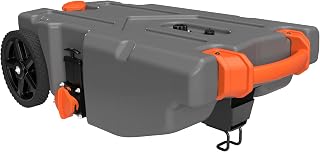
The Camco Rhino tote tank is a portable waste tank designed to move waste from an RV black water tank to a dump station. It’s best for campers who park far from dumps or have hoses that don’t reach. The unit includes no-flat wheels, a built-in gate valve, and a steel tow adapter for easy towing behind a vehicle. It measures about 24 1/8” long, 14 3/4″ wide, and 44 7/8″ tall, weighing 45 pounds. It’s built from UV-stabilized HDPE for outdoor durability.
Who it’s best for: full-time travelers or occasional campers needing reliable transport of waste over uneven terrain. Why selected: strong wheels and towing accessory simplify handling in remote campsites. Caution: large size may require trunk or cargo area in some vehicles; ensure you have access to a compatible dump point.
Key features at a glance:
– Portable waste tank for RVs
– No-flat wheels and oversized handle
– Steel tow adapter for towing behind a truck or golf cart
– UV-stabilized HDPE construction
H85 RV Holding Tank

The H85 holding tank is a waste-water storage solution offered by Roto-Molding. It provides a 50-gallon capacity designed for RVs that need a dedicated holding tank in a compact footprint. The listed features emphasize the tank’s suitability for standard holding tank needs in RV systems. This option is suitable for campers seeking a traditional holding tank with straightforward integration into an RV wastewater setup.
Who it’s best for: RV owners needing a dedicated 50-gallon holding tank with a factory-built roto-molded design. Why selected: compact, established design for established waste systems. Caution: product listing provides limited detail on installation accessories; verify compatibility with your RV’s piping and venting before purchase.
Key features:
– 50-gallon holding tank
– Custom roto-molding construction
264 Gallon Underground Septic Tank Kit

This kit is designed for small households or off-grid setups requiring an underground septic solution. The 264-gallon tank is made from heavy-duty polypropylene and is rated to resist soil pressure and temperature fluctuations. It includes six risers and six covers, offering flexibility for installation and future adjustments. Ideal for cabins, tiny homes, and remote properties where a conventional septic system is impractical.
Who it’s best for: off-grid homeowners and campers who want a compact, underground system with scalable risers. Why selected: extra risers provide future-proofing and easier maintenance access. Caution: underground installation requires proper trenching and venting; ensure local codes and soil conditions permit this setup.
Key features:
– 264-gallon underground tank
– Includes 6 risers and 6 covers
– Polypropylene construction
396gal PP Septic Tank Kit

This rectangle septic tank kit uses injection-molded polypropylene to balance strength and weight. The tank is designed to be corrosion-resistant and capable of withstanding backfill and environmental stresses. It includes a durable structure with reinforcing ribs that help prevent deformation and provide long-term stability for off-grid or rural setups. Appropriate for RVs or small homes needing a larger capacity than standard tote tanks.
Who it’s best for: campers and tiny homes needing a higher-capacity, lightweight alternative to concrete septic systems. Why selected: strong, corrosion-resistant polypropylene with reinforced ribs. Caution: the kit’s installation may require skilled soil work and proper access to risers and covers.
Camco Rhino 36-Gallon Portable Camper Tote Tank (39007)

The 39007 model from Camco Rhino is a portable tote tank designed for versatility and mobility. It features steerable front wheels and large rear wheels, a built-in gate valve, a removable 24″ tow bar, and includes a 3’ sewer hose and related accessories. Its dimensions are 16″ long, 25 1/2″ wide, and 47″ tall, with a weight around 55 pounds. It’s built from UV-stabilized HDPE for outdoor durability and easy cleaning.
Who it’s best for: campers who need maximum maneuverability in tight campsites and those who frequently tow or reposition a tote tank. Why selected: steerable wheels and a comprehensive accessory set improve handling and setup speed. Caution: slightly lighter-duty than larger totes; assess debris exposure on rough terrain to avoid damage.
Buying Guide: Key Considerations For Selecting An Above-Ground Septic System For A Camper
What type of system fits your travel style?
- Portable tote tanks are ideal for short trips or limited storage spaces. They excel where dumping stations are distant or inaccessible with hoses.
- Underground kits suit remote sites and permanent campsites with a need for long-term waste storage.
- Rectangular PP tanks offer a balance of weight, durability, and capacity for mid-sized off-grid setups.
What capacity do you need?
- Smaller campers benefit from 30–50 gallon totes or compact tanks.
- Homes or multi-occupant setups benefit from larger kits, often 100+ gallons, with risers and covers for maintenance access.
What installation considerations matter?
- Underground tanks require proper trenching, venting, and adherence to local codes.
- Portables require secure storage, sturdy wheels, and a compatible dump point.
- Materials like HDPE and polypropylene offer UV resistance and corrosion resistance, but verify compatibility with your environment.
Maintenance and mobility
- Consider wheel design, towing compatibility, and ease of cleaning when mobility is a priority.
- Check for included fittings (hoses, valves, to-bar) to avoid buying extras separately.
Budget and future-proofing
- Extra risers and covers in underground kits support future projects and service access.
- Durable construction reduces the likelihood of leaks and sun damage over time.
FAQ: Quick Answers For Camper Waste Management
- What is the best portable tote tank for a camper on remote sites?
– A tote tank with no-flat wheels and a built-in gate valve is typically best for ease of transport and dumping in remote areas. - Do underground septic kits work for campers?
– They’re suitable for off-grid cabins and tiny homes; for campers, ensure proper installation and access to utilities. - Can I mix different brands of tank components?
– Compatibility varies; use components designed for the same system or consult installation guidelines. - Is a larger capacity always better for RV use?
– Not always; consider space, dumping frequency, and the ability to transport or park near dump stations. - What maintenance is required for these tanks?
– Regular emptying, rinsing, and checking seals and valves help prevent odors and leaks. - Are there safety considerations when transporting waste tanks?
– Securely fasten tanks, follow towing guidelines, and avoid overfilling to prevent spills during transport.